
Enhancing Enterprise Risk Management through Effective Risk Taxonomy and Reporting
Enterprise Risk Management (ERM) is essential for organizations aiming to identify, assess, and manage risks that could impact their objectives. Yet many organizations struggle to mature their ERM practices beyond basic risk identification. Building a clear risk taxonomy, maintaining a comprehensive risk register, assigning ownership, and producing board-ready reports are key steps to advance ERM maturity. This post explores how these elements work together to strengthen risk management and support better decision-making.
Building a Clear Risk Taxonomy
A risk taxonomy is a structured classification system that organizes risks into categories and subcategories. It provides a common language for the organization to describe and analyze risks consistently.
Why it matters: Without a clear taxonomy, risk discussions become fragmented. Different teams may use varying terms for the same risk or overlook important risk areas.
How to create one: Start by reviewing industry standards and frameworks such as COSO or ISO 31000. Adapt these to your organization’s context by involving stakeholders from different departments.
Example categories: Strategic risks, operational risks, financial risks, compliance risks, reputational risks, and emerging risks.
Benefits: A taxonomy helps identify gaps in risk coverage, enables easier aggregation of risk data, and supports clearer communication across the organization.
Maintaining a Comprehensive Risk Register
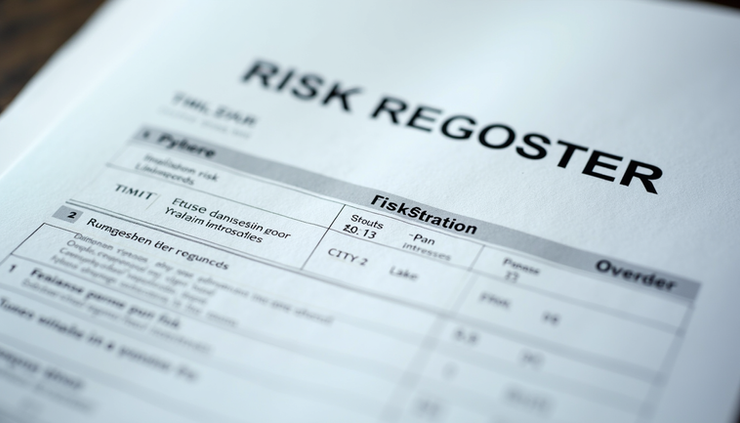
The risk register is the central repository where all identified risks are recorded, assessed, and tracked over time.
Key components: Risk description, category (from the taxonomy), likelihood, impact, risk owner, mitigation actions, and current status.
Best practices: Keep the register dynamic by updating it regularly. Include both existing risks and new risks as they emerge.
Example: A manufacturing company’s risk register might include supply chain disruptions under operational risks, with assigned owners responsible for monitoring supplier performance and contingency plans.
Value: The register provides a single source of truth for risk information, enabling management to monitor risk trends and effectiveness of controls.
Assigning Clear Risk Ownership
Assigning ownership means designating individuals or teams responsible for managing specific risks.
Why ownership matters: Risks without owners tend to be ignored or poorly managed. Ownership ensures accountability and timely action.
How to assign owners: Match risks to the people or departments best positioned to influence or control them. For example, IT risks should be owned by the IT department.
Example: In a financial institution, credit risk might be owned by the credit risk management team, while cybersecurity risks belong to the IT security team.
Outcome: Clear ownership improves risk response and fosters a culture where risk management is everyone's responsibility.
Producing Board-Ready Risk Reporting
Effective risk reporting translates complex risk data into clear, concise information that supports board-level decision-making.
What boards need: High-level summaries of key risks, trends, risk appetite alignment, and status of mitigation efforts.
Report features: Use visual aids like heat maps, risk dashboards, and trend charts. Avoid jargon and focus on risks that could impact strategic objectives.
Example: A quarterly risk report might highlight top five risks, changes since last report, and any emerging threats requiring board attention.
Impact: Well-prepared reports enable the board to provide oversight, allocate resources, and guide risk strategy confidently.
Integrating These Elements for ERM Maturity
Maturing ERM requires these components to work together seamlessly:
The risk taxonomy ensures consistent risk identification and classification.
The risk register captures and tracks risks in detail.
Ownership drives accountability and action.
Board-ready reporting closes the loop by informing leadership and enabling strategic risk decisions.
Organizations that invest in these areas often see improved risk visibility, better resource allocation, and stronger resilience against uncertainties.
Practical Steps to Get Started
Conduct a risk taxonomy workshop with cross-functional teams to build consensus on risk categories.
Develop or enhance your risk register using a centralized tool accessible to all risk owners.
Assign risk owners clearly and communicate their responsibilities.
Design a risk report template tailored to your board’s needs, focusing on clarity and relevance.
Review and update regularly to keep pace with changing risk landscapes.
By following these steps, organizations can move beyond reactive risk management toward a proactive, integrated ERM approach.
Contact REDE Consulting for your needs at info@rede-consulting.com now


Comments