
Legacy Data Warehouses Draining IT Budgets — Modernizing EDW with the Databricks Lakehouse Architecture
Many enterprises are still running data warehouse infrastructure designed over a decade ago — expensive to license, expensive to scale, and increasingly mismatched to modern data and AI needs. Yet the idea of migrating away from it often feels riskier than living with its growing limitations.
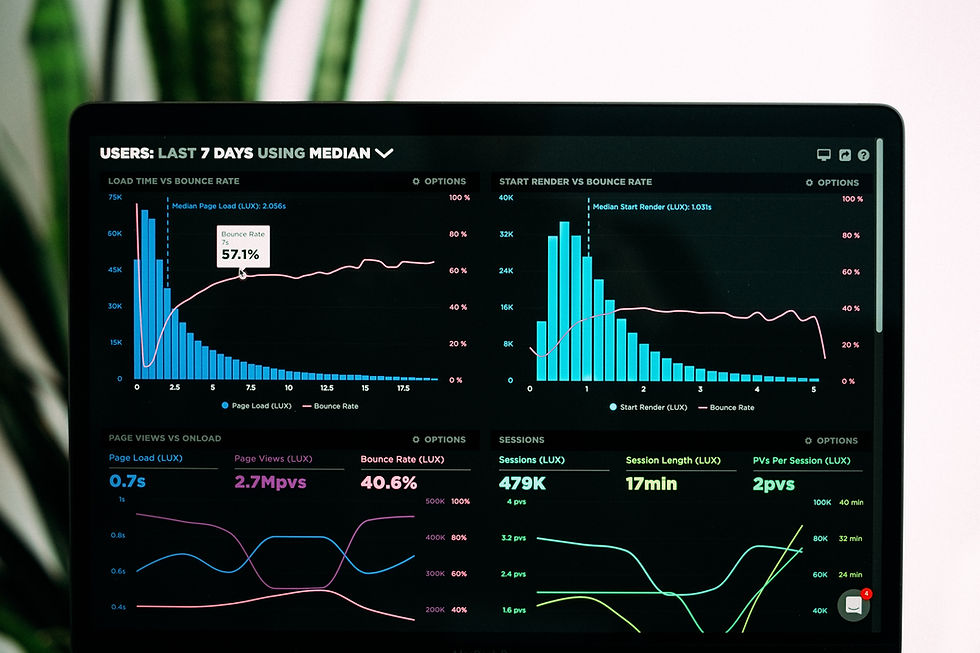
The Challenge: Paying More for Less Capability Every Year
Legacy enterprise data warehouses (EDW) typically carry high licensing and infrastructure costs, rigid scaling models, and limited support for the unstructured and semi-structured data that modern analytics and AI initiatives require. As data volumes grow, costs grow disproportionately, while the platform's ability to support new use cases stays flat or even declines relative to what the business needs.
Meanwhile, IT budgets increasingly go toward simply keeping the legacy system running rather than funding new capability — a slow drain that becomes harder to justify each year.
Why "Just Wait and See" Gets More Expensive Over Time
Delaying modernization doesn't freeze the problem — it compounds it. Data volumes keep growing, licensing and support costs keep rising, and the gap between what legacy infrastructure can do and what the business actually needs keeps widening.
How REDE Solves It
REDE Consulting helps enterprises modernize legacy data warehouses through a structured migration to the Databricks lakehouse architecture. Our approach typically includes:
Phased migration planning: A carefully sequenced migration path minimizes disruption to existing reporting and analytics while progressively shifting workloads to the new platform.
Cost modeling and optimization: Clear, data-driven cost comparisons between legacy EDW and lakehouse architecture support the business case for modernization.
Workload-by-workload validation: Each migrated workload is validated against legacy output before cutover, reducing migration risk.
Future-proofed architecture: The resulting lakehouse supports both today's reporting needs and tomorrow's AI and advanced analytics initiatives on a single platform.
The Outcome
Enterprises that modernize their EDW with REDE typically see significant reductions in data infrastructure costs, alongside a platform that's genuinely ready for modern AI and analytics workloads.
Legacy infrastructure doesn't just cost more each year — it costs you the capabilities you don't yet have.
Curious what modernization would look like for your environment?
Get in touch with REDE at info@rede-consutling.com for a legacy EDW modernization roadmap.


Comments